ALT EFF x Mongabay-India
VIDEO REPORTING OPPORTUNITY
See Past Films
-
![]()
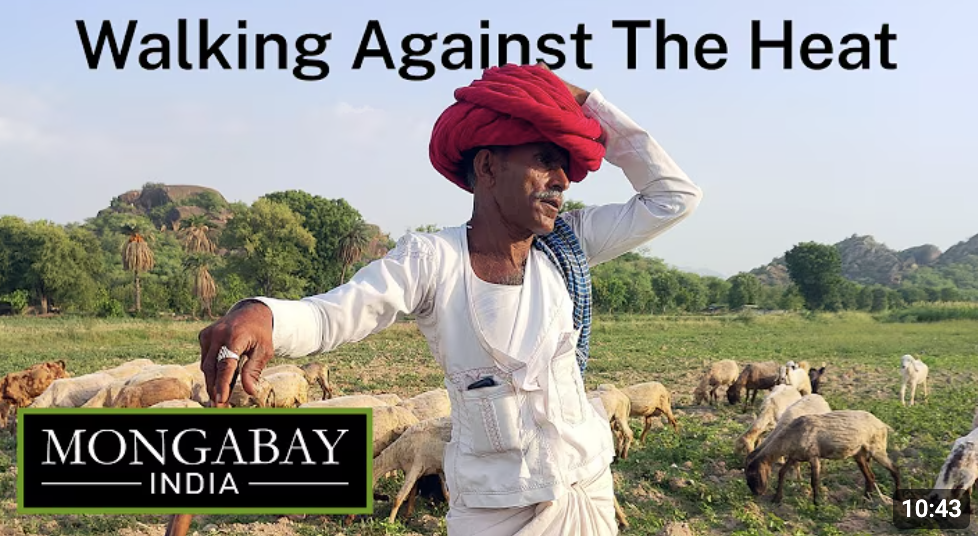
How rising heat affects the nomadic Raikas: Walking Against the Heat
-
![]()
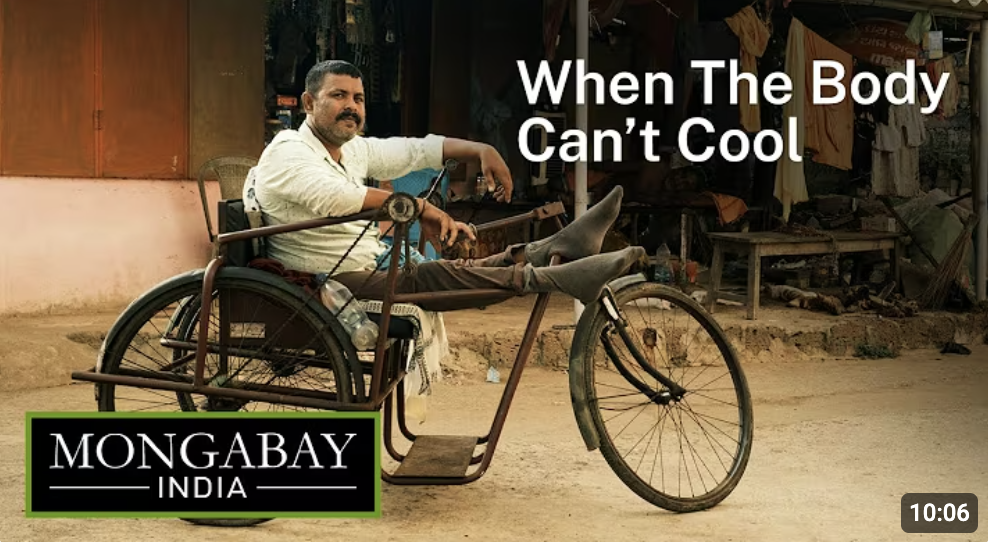
Battling heat and disability: When The Body Can’t Cool
-
![]()
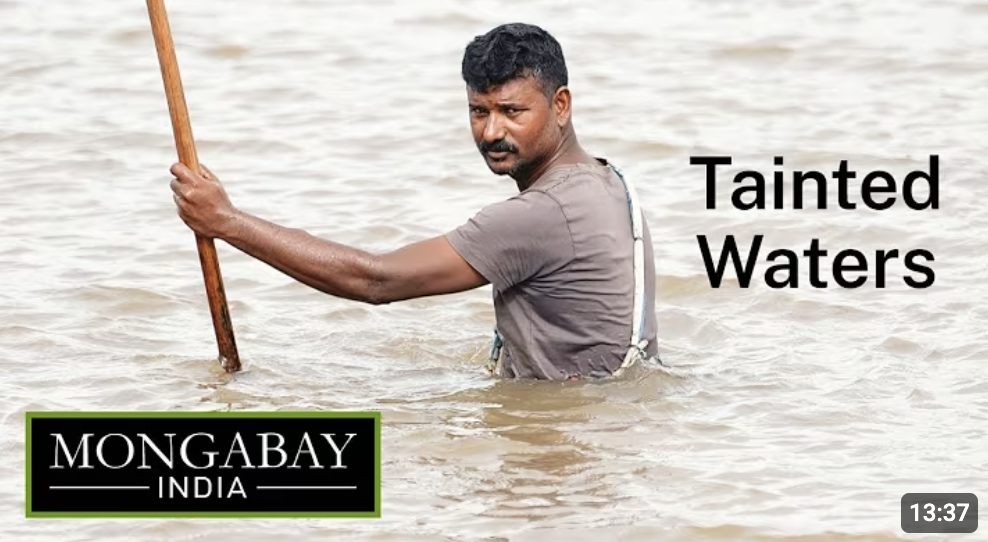
A long battle against coastal pollution in Maharashtra: Tainted Waters
-
![]()
Traditional engineers reduce water stress: Kattas of Kerala
-
![]()
Searching for soppu: Foraging food in Bengaluru
-
![]()
Covered in mud, buried under myths: Red sand boa illegal trade
-
![]()
Fading ties with Mumbai's mudskippers
-
![]()
A unique project reviving Tamil Nadu's river, Thamirabarani
-
![]()
Makhana, the biodiversity in Darbhanga's dying ponds


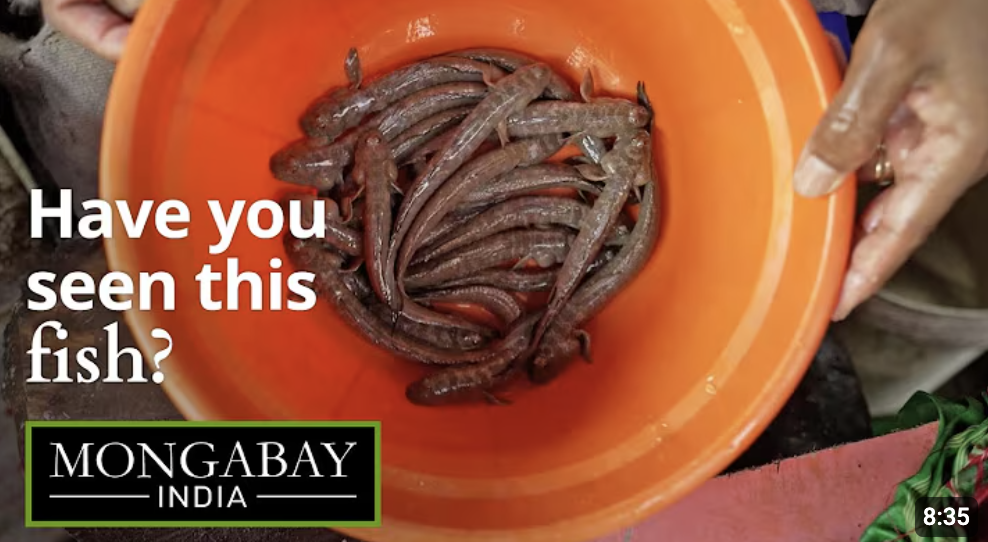
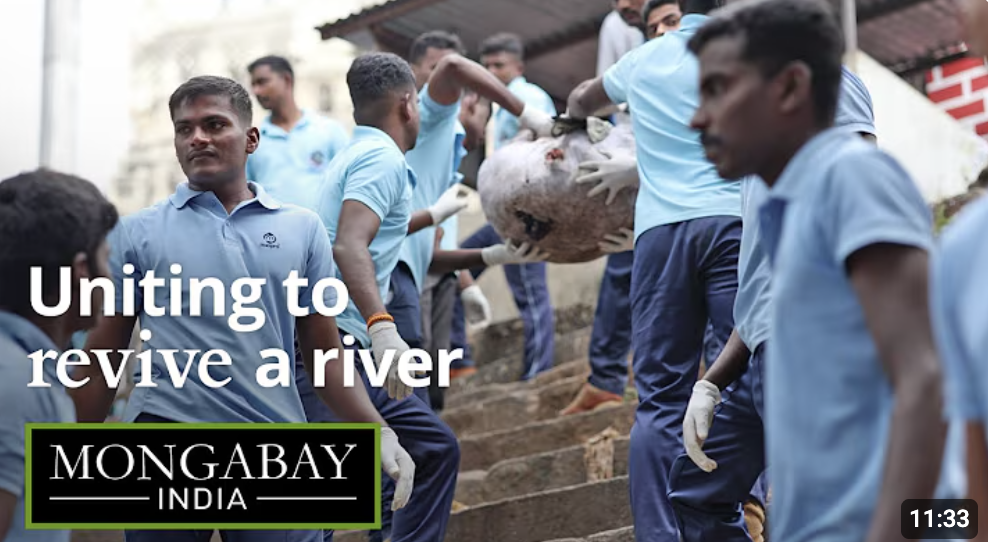
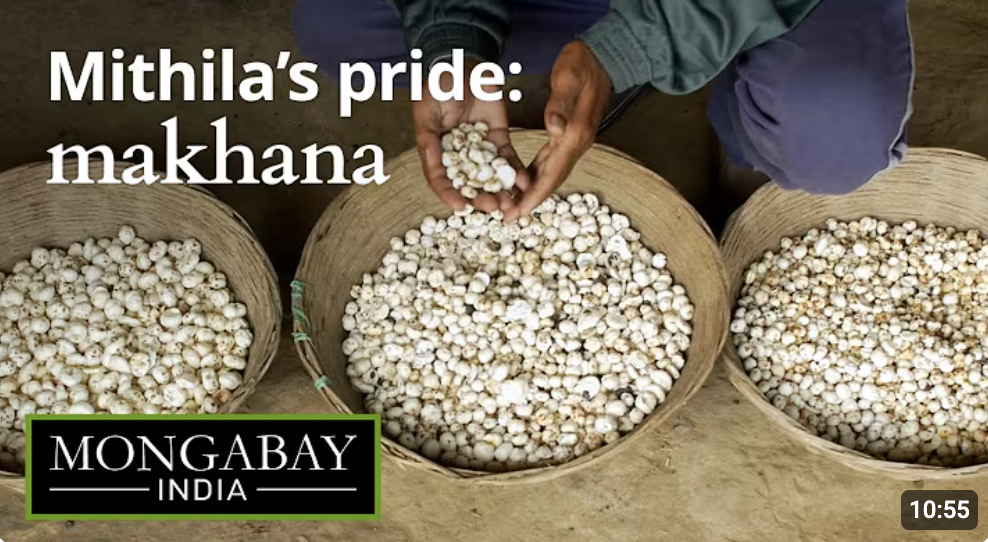

Mongabay-India and ALT EFF partner annually to offer three selected applicants USD 1,400 each, along with mentorship and editorial support, to develop evidence-driven environmental video stories. The fellowship aims to build long-term capacity in Indian environmental journalism, with the selected films being published by Mongabay-India and screened at ALT EFF 2026.
Please read the description and application form carefully to understand the theme, eligibility, and application process before submitting your pitch.

THEME
Our theme for 2026 is Solutions for Heat Resilience.
India is experiencing prolonged, intensifying heat. This fellowship seeks short news documentaries that document practical, evidence-backed solutions helping people, ecosystems, and institutions adapt to rising temperatures.
We invite early and mid-career journalists and filmmakers to explore how individuals, communities, civil society groups, municipalities, architects, researchers and local administrations are building heat resilience.
Sub-themes may include, but are not limited to
Architectural and design innovations (passive cooling, material choices, urban planning, etc.)
Water access, storage, and distribution strategies during extreme heat
Adaptations to food crops, agriculture and other occupations
Wildlife and biodiversity responses and protection strategies
Traditional knowledge for heat resilience
Technology-based interventions for heat adaptation and resilience
Community-based measures and in-practice heat action plans

Films must adopt a solutions-journalism approach by:
Demonstrating evidence of impact (health outcomes, income stability, reduced heat exposure, ecological benefits, etc.)
Explaining how and why the solution works
Identifying constraints, unintended consequences, or equity gaps
Assessing potential for replication or scale
The aim is to move beyond oversimplification and problem-focused coverage of heat and instead produce grounded, critical reporting on what is working, for whom, under what conditions, and at what cost.

What do you get?
Production Grant: USD 1,400 for reporting, filming, editing and other additional expenses such as translations.
Logistics: Travel, food, and accommodation and other logistical costs are covered separately based on a realistic estimated budget provided by the applicant.
Professional Development: The three selected storytellers will get mentorship and editorial support from Mongabay-India’s team during the production. Fellows will participate in a Video Journalism Masterclass led by experienced filmmakers and journalists.
Films will be published on Mongabay-India’s platforms and screened during ALT EFF 2026 (digital and on-ground screenings).

Applications are closed for 2026. Stay tuned for 2027!
Eligibility
Early- and mid-career journalists and filmmakers who are Indian citizens. Small teams with relevant experience in reporting or filming may collaborate, but a single primary applicant must be the point of contact.
Selection Criteria
Evidence: The proposed story must be grounded in verifiable data, documented outcomes or measurable community impact. Strong pitches will provide relevant links to reports, scientific literature, or verifiable sources.
Originality: Lesser-known stories, fresh angles, and underreported regions. The proposal should clearly explain what makes the story new or distinct.
Diversity of Voices: Meaningful inclusion of community members, women, marginalised groups, and various stakeholders. It should also include subject experts or officials.
Practicality: Ideas must be achievable within the budget and timeline. Applicants should prioritise stories in their own regions; travel to distant states requires strong justification.
Access: Pitches should show confirmed or likely access to characters and data.
Journalistic Approach: Films must follow a rigorous journalism framework, explaining how the solution works, presenting evidence of impact, examining limitations and trade-offs, and avoiding advocacy or promotional framing.
Creativity: Character-driven narratives or other forms of creative storytelling are encouraged, but this video reporting opportunity does not accept feature or exploratory-style documentaries.
Deliverables
One completed film of up to 10 minutes, edited in Adobe Premiere Pro using branding guidelines, provided in Full HD with a clean audio mix and subtitles.
Timelines
Application Deadline: March 23, 10 AM IST.
Selection of the fellows: April 10, 2026.
Production Phase: Projects start in late April and must be completed by the end of July 2026.
Application Process
1. Fill out this application form.
2. Stories should be pitched in English. Mongabay-India might translate the produced video into other languages.
3. Only one story pitch per applicant is accepted. You can form a small team to execute an idea (e.g., collaborate with a filmmaker or reporter with relevant experience). However, the application should be submitted under one name, and the primary applicant will be the point of contact for all communication with the organisers. The core team should be declared in the application form.
4. The shortlisted candidates will be called for interviews and are expected to provide a breakdown of their travel plans.
Mongabay-India reserves the right to disqualify applicants who engage in unethical practices, including, but not limited to, plagiarism or the use of AI-generated content as their own. Using AI to refine and structure your application is acceptable.
Contact: For any questions, please email kartik@mongabay.com with the subject line ‘Video Reporting Opportunity 2026’ and provide 24-48 hours to respond.
About
Mongabay-India
Mongabay-India is a nonprofit environment and conservation news platform that brings high-quality, original reports from nature’s frontline in India. Mongabay-India is the India-specific portal of the global news platform mongabay.com.
They have focused on geographies and themes often neglected by the mainstream media. With a vast network of journalists, their deeply researched stories have nuanced and disaggregated the national understanding of the environment - be it about India’s iconic landscapes, plant and animal species, or climate change. Their fact-oriented, well-analysed stories aim to build awareness and conversations about the environment in the public and policy space.
Mongabay articles are licensed under a Creative Commons Attribution-NoDerivatives 4.0 International License. Other publications can republish Mongabay content at no cost.